Choose the right starting group
Guppy Breeding Pairs, Trios & Groups
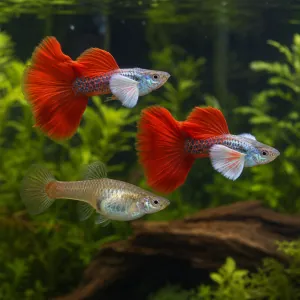
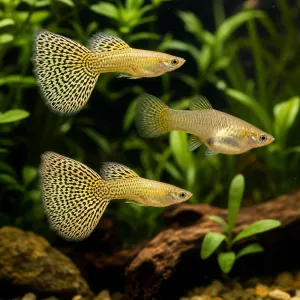
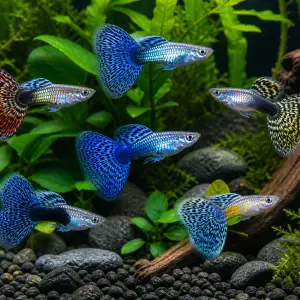
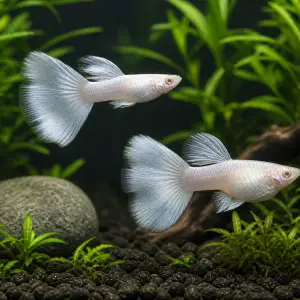
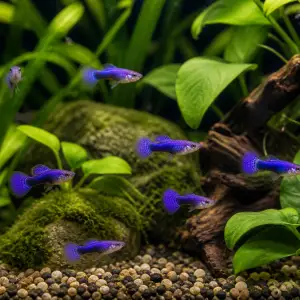
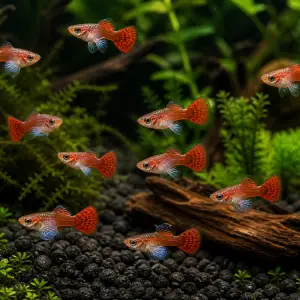
Compare one male–one female pairs, one male–two female trios, and larger breeding groups before choosing live guppies for a home breeding project or line-development setup.
Quick answer: A pair is usually one male and one female. A trio is usually one male and two females. A trio is often the more forgiving starting point because male attention is shared, while a pair suits limited space or a focused parent combination. A group is for buyers with more tank capacity, quarantine space and a clear fry-management plan.
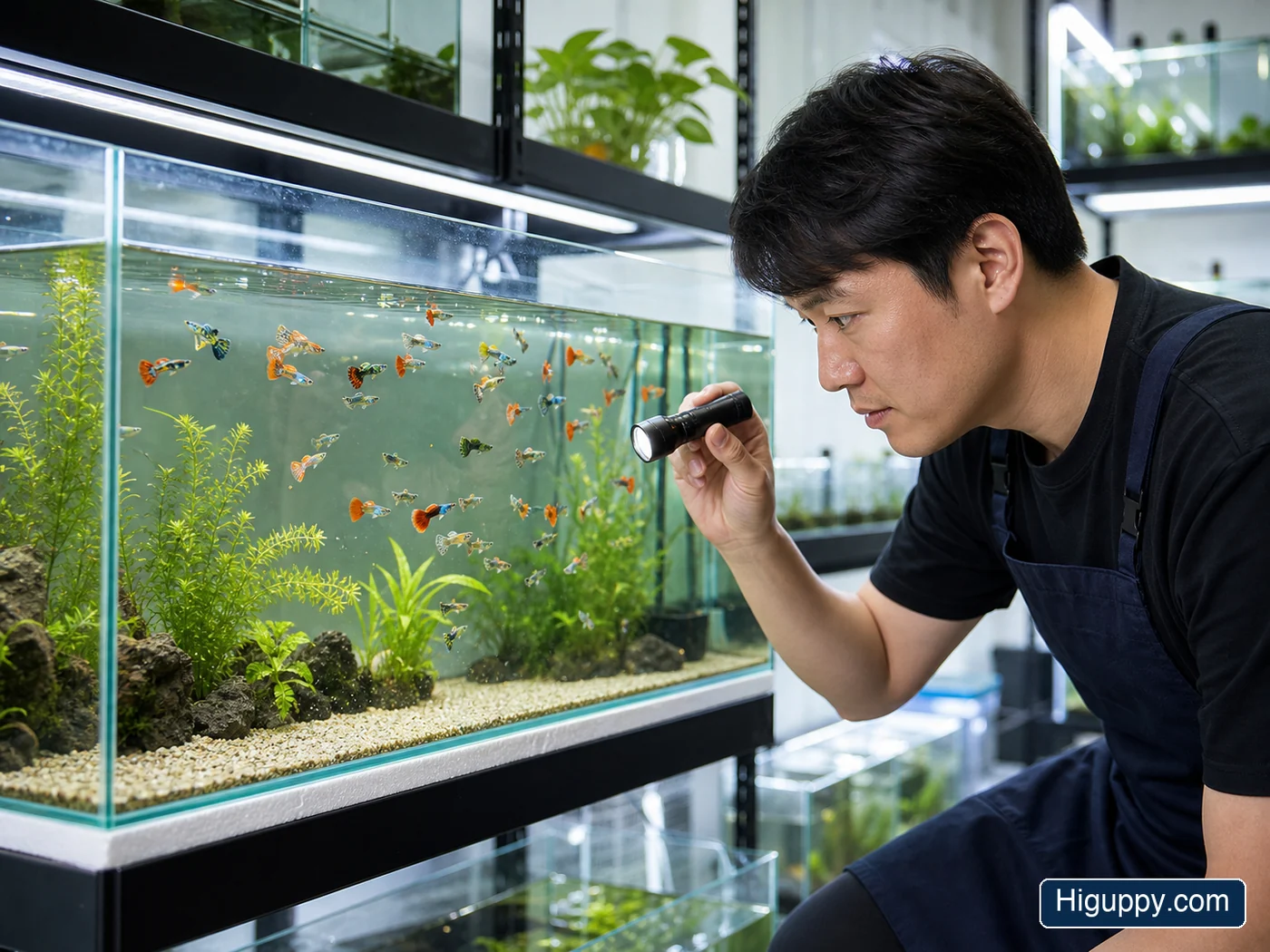
Pair, trio or group?
The best option depends on your goal, space and management plan
The listing description controls the exact fish count and sex ratio. The definitions below describe the most common formats.
| Format | Typical composition | Best fit | Main tradeoff |
|---|---|---|---|
| Breeding pair | 1 male + 1 female | Focused parent combination, smaller setup or lower starting count | The single female receives all male attention and may need closer observation or separation. |
| Breeding trio | 1 male + 2 females | Many first-time breeders and buyers seeking a more balanced social setup | Requires more room, filtration capacity and a plan for potentially more fry. |
| Breeding group or pack | Listing-specific mix | Colony starts, stores, resellers or experienced multi-tank projects | Needs the most quarantine space, record keeping and population control. |
Choose by project
Who should buy each breeding format?
Start with the smallest group your prepared system can manage responsibly.
01
First breeding project
A trio is often easier to manage socially than a pair, but only when the aquarium is cycled and the buyer already has a fry plan.
02
Selective line project
A pair can simplify parent tracking when the exact male–female combination matters and the breeder can monitor the female closely.
03
Store, reseller or colony
A larger group makes sense only with quarantine capacity, multiple tanks and written confirmation of strain mix, sex ratio and lot details.
Realistic breeding expectations
A breeding pack is live stock—not a pregnancy or fry guarantee
Breeding results depend on biology, age, transport stress, acclimation, water quality, nutrition, compatibility and long-term care after delivery.
A listing can define
- Fish count and stated sex format
- Named strain or approved mix
- Representative or exact-fish photos
- Current price and availability
- Shipping and arrival terms
- Any approved substitution
A listing cannot guarantee
- Pregnancy or fertility at delivery
- A specific birth date or fry count
- Fry sex ratio or survival rate
- One exact future color or genetic result
- Successful breeding after transport
- That every fish will remain compatible
Do not buy only because you need immediate fry
Choose breeding stock because you can provide stable long-term care. Current pregnancy status and future reproduction should never be assumed unless a listing states something specific—and even then biological outcomes remain variable.
Before checkout
Prepare the breeding tank before the fish are scheduled to ship
1
Cycle and test
Establish biological filtration and verify temperature, ammonia, nitrite, nitrate and pH before ordering.
2
Use gentle filtration
Provide reliable filtration and oxygenation without flow that exhausts adults or pulls in fry.
3
Add cover
Plants, moss and visual breaks give females resting space and provide refuge for fry.
4
Prepare quarantine
New fish should be observed separately before joining established breeding lines or community livestock.
5
Plan for fry
Decide how fry will be fed, separated, grown out, rehomed and prevented from overcrowding the system.
6
Protect arrival day
Monitor tracking, receive promptly and follow the current acclimation and live-arrival instructions.
Current shopping paths
Compare available breeder listings and categories
Live inventory changes. The product or category page controls current stock, price, fish count, sex ratio and exact listing terms.
Dumbo Red Tail Breeder Trio
View the current trio listing and its stated pack details when available.
Red Dragon Breeding Pair
Review the current pair listing; availability and listing status may change.
Breeder Trios
Browse the category for current trio options and strain-specific details.
All Live Guppies
Compare the full shop when a pair or trio is not the right starting format.
Plan the full project
Breeding and care resources
Guppy Breeding Guide
Breeding behavior, pregnancy, fry care and responsible planning.
Tank Setup Guide
Prepare filtration, cover, equipment and a stable aquarium.
Water Parameters
Understand the core readings used to evaluate aquarium stability.
Quarantine Process
Separate and observe new breeding stock before line integration.
Frequently asked questions
Breeding pair and trio FAQ
Is a pair or trio better for a beginner?
A trio is often more forgiving socially, but neither format is beginner-ready without a cycled tank, quarantine plan, stable water and capacity for fry.
Will the female arrive pregnant?
Do not assume pregnancy. Guppies can store sperm and reproduction is biologically variable, but a breeding-stock listing is not a pregnancy guarantee.
How many fry will a pair or trio produce?
No exact fry count can be promised. Age, genetics, health, stress, water, nutrition and maternal condition all affect outcomes.
What tank size should I use?
Choose a tank that supports the adult count, filtration, cover and expected fry load. Larger groups require more volume and grow-out capacity than pairs.
Can I request a custom sex ratio or strain mix?
Use the contact page before checkout. A custom request is only confirmed when availability, exact composition and any alternative are agreed in writing.
What should I do when the fish arrive?
Inspect sealed bags, document any arrival issue first, then acclimate living fish into a prepared quarantine aquarium using the current HiGuppy guides.
Choose the format your tank and breeding plan can support
Compare current listings, then prepare quarantine, stable water and a responsible fry-management plan before the shipment is scheduled.
Last reviewed: July 17, 2026. Current product listings control availability, price, fish count, sex ratio, photos and order-specific terms.