Guppy Care Article
How to Quarantine New Guppies After Shipping
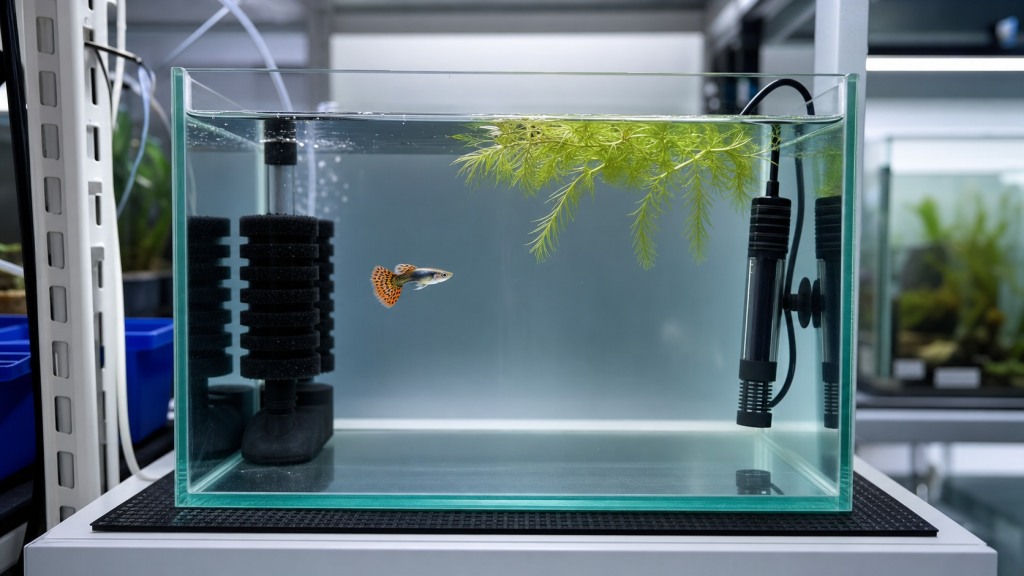
Quick answer: Quarantine newly shipped guppies in a separate, cycled setup with stable temperature, gentle filtration, dedicated equipment, and daily observation. Acclimation handles the immediate move from the shipping bag; quarantine is the longer observation period before fish enter an established community aquarium.
Acclimation and quarantine are different steps
| Step | Main purpose | Where to follow it |
|---|---|---|
| Acclimation | Reduce temperature and water-change stress when opening a shipment | Acclimation Guide |
| Quarantine | Observe new fish separately before mixing populations | This article and the HiGuppy process page |
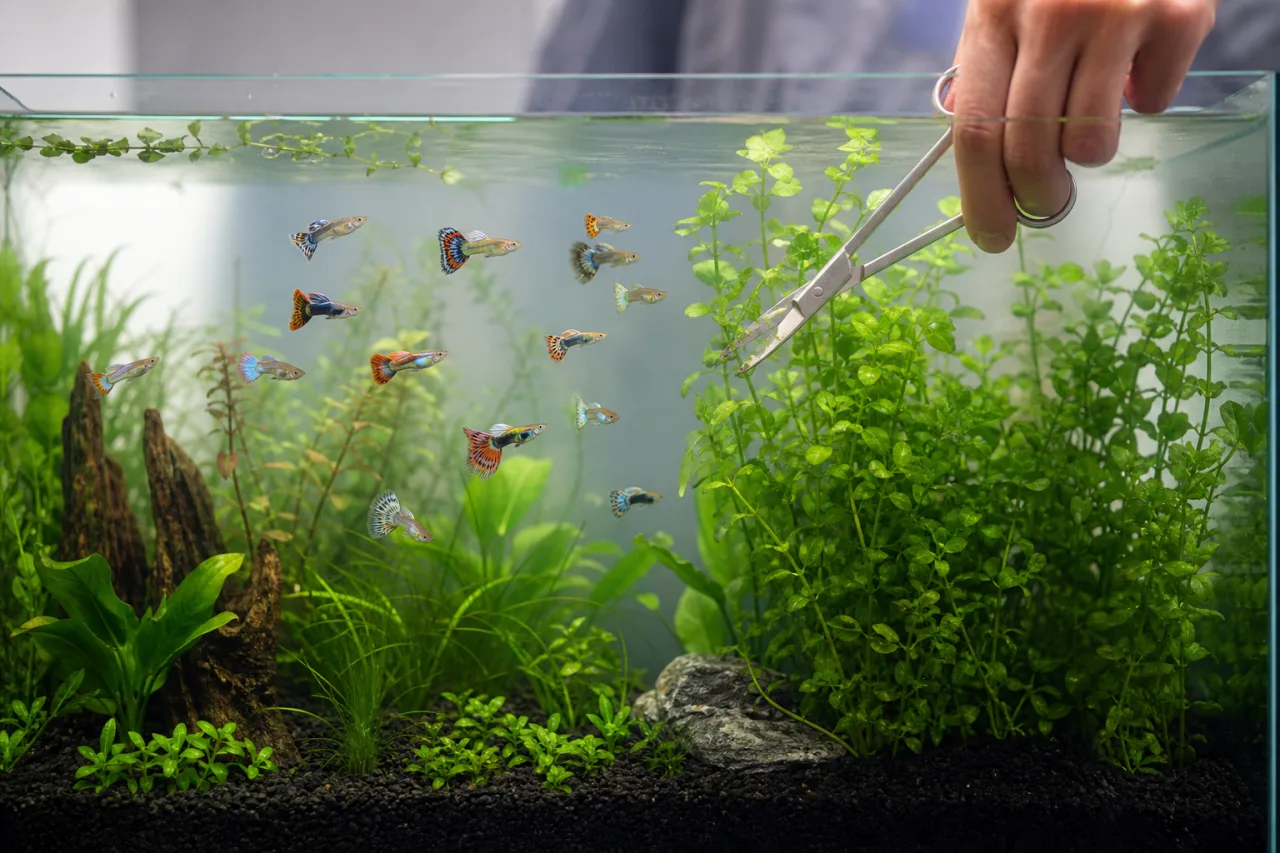
What a basic guppy quarantine tank needs
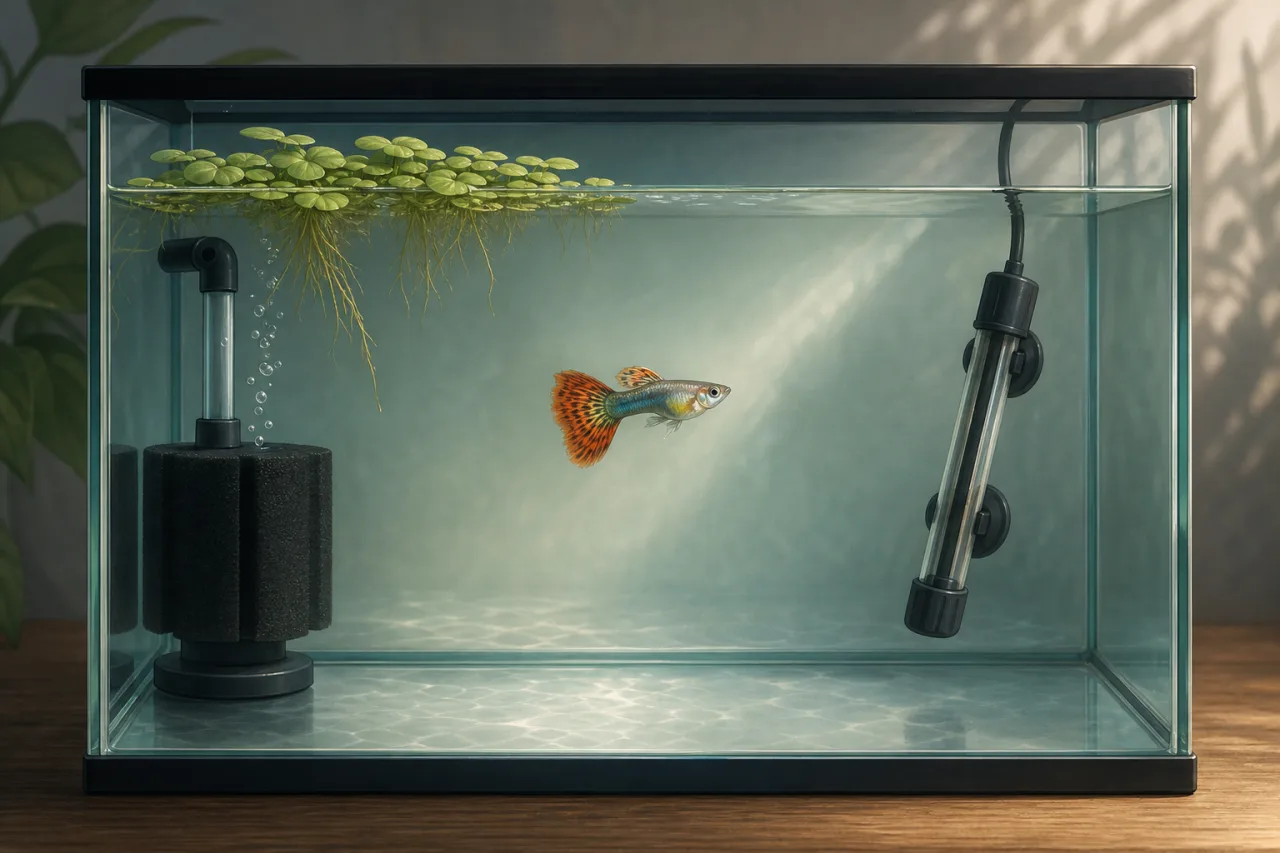
- A separate aquarium or food-safe container sized for the group
- A mature sponge filter or other gentle biological filtration
- A heater when room temperature cannot remain stable
- A secure lid, simple shelter, and easy-to-clean surfaces
- A thermometer and ammonia/nitrite test kit
- Dedicated net, siphon, bucket, and feeding tools
A bare or simple quarantine layout makes waste and behavior easier to see. If biological filtration is not mature, water quality can deteriorate quickly; test frequently and respond with appropriate water changes.
Arrival-day sequence
- Prepare and test the quarantine water before delivery.
- Inspect the unopened bag and document any arrival issue.
- Follow the seller’s written acclimation instructions promptly.
- Move fish without pouring shipping water into the quarantine tank.
- Keep lighting calm and feeding conservative at first.
- Record breathing, posture, fins, appetite, waste, and swimming each day.
How long should quarantine last?
There is no universal number that fits every shipment. The appropriate observation period depends on the source, transport stress, symptoms, test results, existing livestock, and veterinary or experienced fish-health guidance. Do not shorten quarantine simply because fish look colorful on day one, and do not medicate healthy fish automatically without a reason.
What to watch each day
Normal recovery signs
- Steady swimming and balance
- Open fins and alert response
- Interest in small meals
- Normal breathing for the situation
Reasons to investigate
- Persistent gasping or isolation
- White spots, sores, swelling, or clamped fins
- Loss of balance or repeated flashing
- Ammonia or nitrite above 0 ppm
Water quality is the first check when behavior changes. If a fish appears ill, keep it isolated and seek diagnosis from an aquatic veterinarian or qualified fish-health professional before using medication. Current claim rules belong on the DOA / Live Arrival page, not in this care article.
Quarantine FAQ
Can I quarantine guppies in an uncycled container?
An uncycled container has little biological protection and requires very close testing and water management. A mature filter is safer and more stable.
Should I add medication as soon as guppies arrive?
Not automatically. Medication choice depends on a defensible diagnosis, the fish, the product label, and professional guidance.
Can new fish share quarantine equipment with the display tank?
Dedicated equipment reduces cross-contamination risk. If equipment must be reused, clean and disinfect it appropriately before moving between systems.
When can guppies move to the main tank?
Move them only after the observation plan is complete, water is stable, fish are behaving normally, and no unresolved health concern remains.
Real HiGuppy photographs
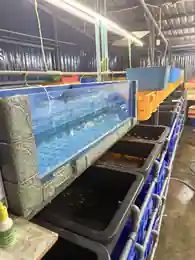
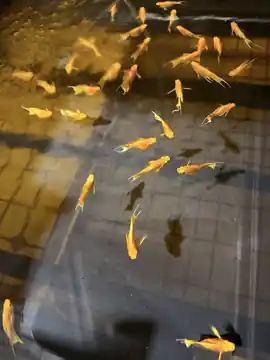
Inside the facility behind our guppy guides
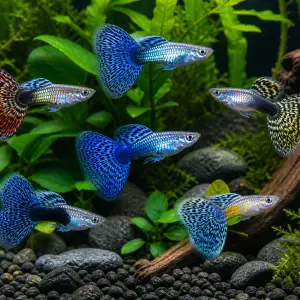
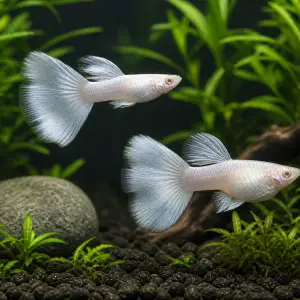
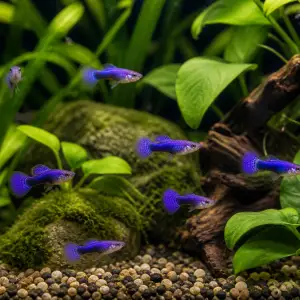
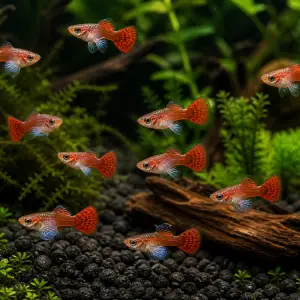
These photographs show real HiGuppy holding, breeding and observation work. They document our facility and fish stock; they are not presented as the exact individual fish or strain discussed on every page.